
Everything you need to know before your first yacht charter holiday
In This Article
01What Is a Yacht Charter?
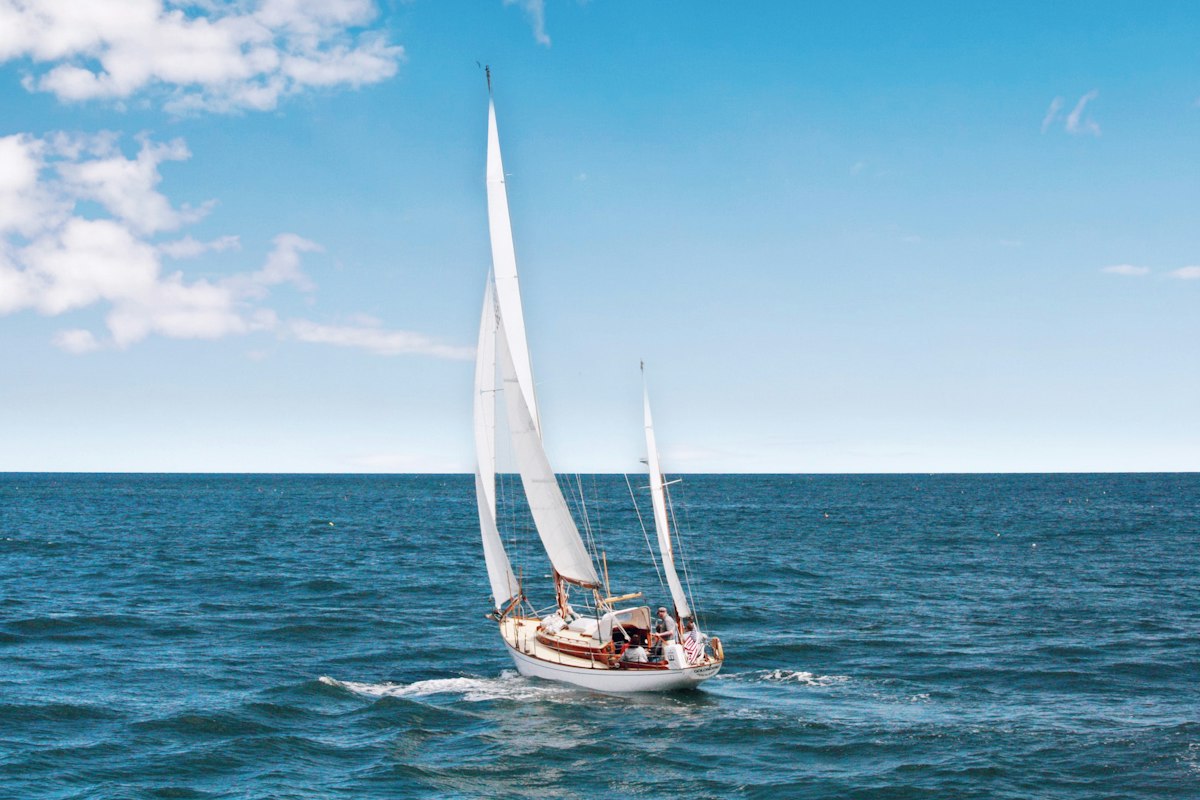
A yacht charter is essentially renting a yacht for a sailing holiday. Unlike a cruise ship where you follow a fixed itinerary with hundreds of other passengers, a charter gives you the freedom to explore at your own pace with just your group aboard. You can choose to hire a professional skipper who handles all the sailing, or if you have the qualifications, take the helm yourself on a bareboat charter.
Charter yachts range from compact 30-foot sailing yachts perfect for couples to luxurious 60-foot catamarans that comfortably accommodate large families or groups of friends. Most charters run Saturday to Saturday, typically for one or two weeks, though shorter durations are sometimes available.
02Bareboat vs. Skippered vs. Crewed Charter
The three main charter types cater to different experience levels and preferences:
Bareboat Charter — You are the captain. You need a valid sailing license (ICC or equivalent) and demonstrable experience. This is the most affordable option and offers maximum freedom. You provision the yacht yourself and create your own itinerary.
Skippered Charter — A professional skipper sails the yacht while you relax. This is ideal for those without sailing qualifications or who want to enjoy the holiday without the responsibility of navigation. The skipper also serves as a local guide, knowing the best anchorages, tavernas, and hidden coves.
Crewed Charter — The full luxury experience. A professional crew (skipper, chef, and sometimes a hostess) takes care of everything — sailing, cooking gourmet meals, and ensuring your comfort. This is the ultimate way to experience yacht chartering, though it comes at a premium price.
03Choosing the Right Yacht
The yacht you choose dramatically affects your charter experience. Here are the key factors to consider:
Number of guests — Each yacht has a maximum capacity. For comfort, aim for one cabin per couple and consider that children can often share. A 4-cabin catamaran comfortably hosts 8 adults.
Sailing yacht vs. catamaran — Sailing yachts offer a more authentic sailing experience with the thrill of heeling. Catamarans provide more space, stability (no heeling), and shallower draft for accessing secluded bays. First-timers often prefer catamarans for their comfort.
Budget — Charter prices vary enormously. A 40-foot sailing yacht in Greece might cost €2,000-3,500 per week, while a 45-foot catamaran ranges from €3,500-7,000. Factor in additional costs like fuel, marina fees, provisioning, and optional extras (skipper, water toys).
Age and condition — Newer yachts command higher prices but offer better equipment, modern layouts, and fewer maintenance issues. A yacht built within the last 5 years is generally considered 'new' in charter terms.
04What's Included in the Charter Price?
Understanding what's included helps you budget accurately:
Typically included: The yacht itself, basic safety equipment, dinghy with outboard motor, bed linens, basic galley equipment (pots, pans, plates), navigation instruments, and insurance.
Usually extra: Fuel (€100-300/week depending on yacht and usage), marina/port fees (€50-200/week), provisioning (food and drinks), end-of-charter cleaning fee (€100-250), outboard fuel, water sports equipment, and Wi-Fi.
Security deposit: Most charters require a refundable security deposit (€1,500-5,000 depending on yacht value). This covers potential damage. You can often purchase deposit insurance for €150-300 to reduce or eliminate this.
05Planning Your Itinerary
One of the joys of chartering is creating your own route, but a few guidelines help:
Don't try to cover too much distance. A common first-timer mistake is planning an overly ambitious route. Aim for 3-5 hours of sailing per day maximum, leaving plenty of time for swimming, exploring, and relaxing.
Check the weather daily. Mediterranean winds can be unpredictable. The Meltemi in the Aegean can reach Force 7 in July-August. Always have a Plan B for your daily route.
Book marina berths in advance during peak season (July-August). Popular ports like Hvar in Croatia or Fiskardo in Greece fill up quickly.
Mix it up. Alternate between lively harbor towns and quiet anchorages. Some of the best charter memories come from dropping anchor in a deserted bay and swimming off the back of the yacht.
06Essential Tips for First-Timers
After 12 years of helping clients plan their charters, here are my top tips:
1. Book early — The best yachts for peak season (June-September) are often booked by January. Early booking also means better prices and more choice.
2. Pack light — Storage on yachts is limited. Soft bags are essential; hard suitcases won't fit. Bring layers for cool evenings and good deck shoes with non-marking soles.
3. Provision wisely — Many charter bases offer pre-provisioning services. Order your groceries in advance and they'll be waiting on the yacht. This saves your first day for sailing instead of supermarket runs.
4. Learn basic knots — Even on a skippered charter, knowing how to tie a cleat hitch and a bowline makes you a helpful crew member.
5. Respect the sea — Always wear life jackets in rough weather, never swim alone, and keep a close eye on children near the water.
Have questions about this topic? I'm happy to help you plan your charter based on the advice in this guide. Just reach out — I typically respond within 2 hours.